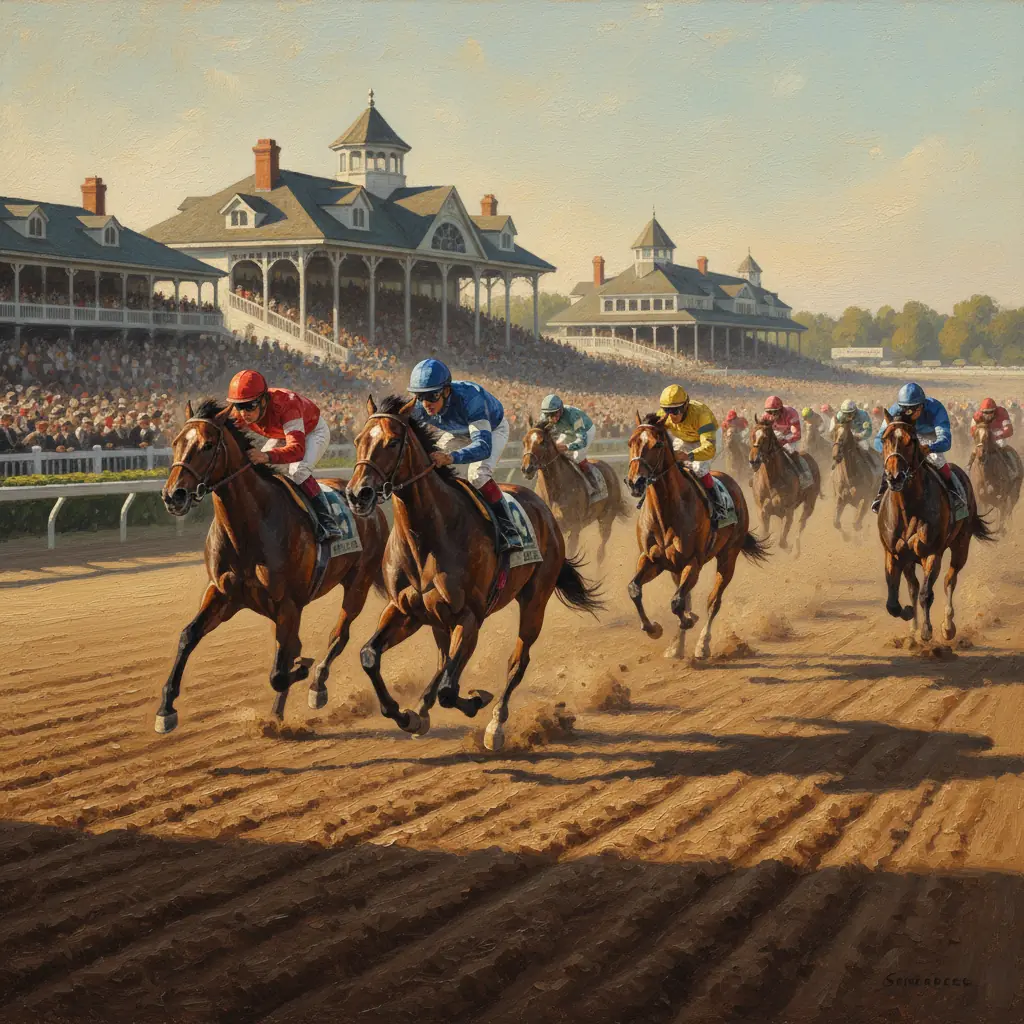
The Woodward Stakes. Just uttering the name conjures images of thundering hooves, roaring crowds, and the electric atmosphere that only Saratoga Race Course can deliver. It’s more than just a race; it’s a legacy etched in the annals of thoroughbred racing, a Grade 1 spectacle where champions are crowned and legends are made.
I remember my first Woodward Stakes Day like it was yesterday. The crisp air, the scent of freshly cut grass, the palpable anticipation that hung heavy in the air. It was a symphony of sights and sounds, a sensory overload in the best possible way. That day, I witnessed history unfold before my very eyes, and I’ve been hooked ever since.
This isn’t just another horse race; it’s a pivotal moment in the racing calendar. Whether you’re a seasoned handicapper or a newcomer to the sport, the Woodward Stakes offers something for everyone. By the time you finish reading, you’ll have a deeper appreciation for the Woodward’s storied past, gain key insights into what makes this race so special, and maybe even pick up a few handicapping tips to help you find the winner’s circle. So, saddle up and let’s dive into the heart-pounding world of the Woodward Stakes!
The Woodward Stakes: A Storied History
The Woodward Stakes is more than just a race; it’s a tapestry woven with threads of history, legendary champions, and pivotal moments that have shaped the landscape of horse racing. Born from a desire to showcase true stamina and class, the race quickly became a proving ground for the sport’s elite. Steeped in tradition, the Woodward’s early years were defined by a commitment to challenging distances, demanding that horses possess not only speed but remarkable endurance.
Names like Man O’ War echo through the Woodward’s past, their victories adding layers to the race’s already rich narrative. These weren’t just wins; they were statements of dominance, etched into the collective memory of racing fans. The Woodward Stakes has consistently served as a launching pad, or a final validation, for horses vying for championship titles. It’s a race where legends are made, and legacies are cemented, playing a crucial role in determining the hierarchy of thoroughbred greatness.
Over the decades, the Woodward has adapted, mirroring the evolution of the sport itself. Rule changes, shifts in training philosophies, and the ever-present pursuit of faster times have all left their mark. Yet, the core essence of the race – a test of talent, grit, and unwavering determination – has remained constant making the race able to adapt with the times. The Woodward continues to be a prestigious event in the racing calendar providing us with a spectacle worth the watch.
From Belmont to Saratoga: Evolution of a Classic
The relocation of the Woodward Stakes to Saratoga Race Course marked a significant chapter in the race’s history. While Belmont Park served as its long-time home, the shift to Saratoga injected a new energy and dimension into the event. The decision, influenced by factors such as track availability and the desire to capitalize on Saratoga’s summer racing season, was a calculated move by the New York Racing Association (NYRA). The change was initially met with mixed reactions, however, the allure of Saratoga, with its unique atmosphere and demanding track, ultimately proved to be a successful one.
Saratoga’s surface presents a different challenge compared to Belmont, often favoring horses with agility and tactical speed. The move impacted race dynamics, potentially influencing which running styles are most effective. Despite the change in venue, the Woodward Stakes has retained its prestige, continuing to attract top contenders and large crowds, solidifying its place as a premier event in Saratoga’s racing calendar.
Attending the Woodward: A Guide to Experiencing the Thrill
Planning a trip to Saratoga to witness the Woodward Stakes? Smart move! It’s an experience steeped in tradition and thrilling competition. To make the most of it, a little preparation goes a long way. First off, Saratoga Race Course tickets. These can be snagged online, and different options are available to suit your preferences. Grandstand seating offers a fantastic overview, while the Clubhouse provides a more upscale experience with dining options. Tickets typically go on sale several weeks in advance, so mark your calendar and be ready to purchase, especially if you want a prime spot.
Finding Saratoga lodging is the next piece of the puzzle. The closer you are to the track, the more convenient, but you’ll also pay a premium. Consider hotels and vacation rentals in downtown Saratoga Springs for a balance of proximity and price. And, let’s talk race day. Expect crowds, especially for a prestigious race like the Woodward. Arrive early to secure parking, find your seats, and soak in the atmosphere. Trackside dining is a treat, offering everything from casual fare to gourmet meals. Booking a table in advance is highly recommended to avoid disappointment.
The energy of the crowd, the thundering hooves, and the palpable excitement as the horses round the final turn—it’s an experience that stays with you long after the race is over. Trust me, having attended the Woodward myself, the blend of history, high-stakes competition, and Saratoga’s unique charm creates a truly unforgettable day.
Saratoga Beyond the Track: Exploring the Spa City
While the Woodward Stakes is undoubtedly the main event, don’t miss the chance to explore Saratoga Springs itself. This city boasts a fascinating history, renowned mineral springs, and a vibrant cultural scene. Take a stroll through Congress Park, sample the waters at the various mineral springs, and admire the stunning architecture of the historic downtown area. Saratoga’s charm extends far beyond the racetrack, offering a complete and enriching experience for every visitor.
The Allure of Saratoga: The Perfect Backdrop
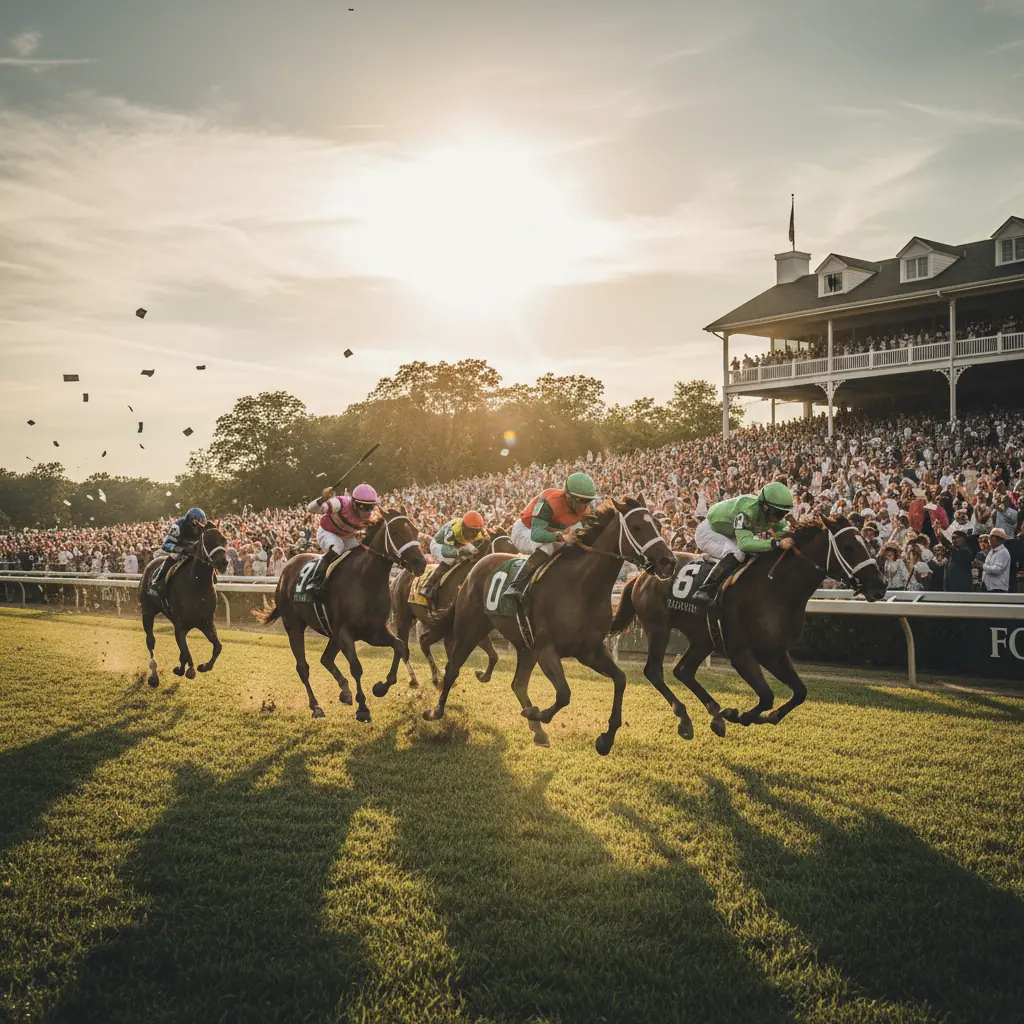
Saratoga Race Course, affectionately known as the Spa, is more than just a racetrack; it’s a living, breathing monument to horse racing tradition. Its unique atmosphere is something you simply can’t replicate anywhere else. Imagine yourself surrounded by Victorian architecture, the scent of grilled sausage in the air, and the excited chatter of fans who live and breathe thoroughbred racing. This is Saratoga.
What makes Saratoga so special? It’s a confluence of factors. There’s the history, dating back to 1863, a palpable sense that you’re walking on hallowed ground. Every summer, the best horses, trainers, and jockeys converge here, making the summer meet a true spectacle. But it’s also about the traditions. From the morning workouts to the bell ringing before each race, these rituals create a rhythm that pulses through the entire town.
The fans are another integral part of the Saratoga magic. They’re knowledgeable, passionate, and fiercely loyal. Whether they are seasoned veterans or first-time visitors, they all share a deep appreciation for the sport. Saratoga is more than a town; it’s a feeling, and, most of all, it is a horse racing culture mecca.
Understanding the Woodward: Key Contenders and Past Performances
The Woodward Stakes is a thrilling test of stamina and speed, and a deep dive into the contenders, their connections, and their prior Saratoga experiences is crucial for informed wagering. Success at Saratoga often hinges on a horse’s affinity for the unique characteristics of the track. Some horses simply thrive on the surface, displaying an extra gear that they might not find elsewhere. The intense atmosphere, with its enthusiastic crowds and vibrant energy, can also affect a horse positively or negatively.
When assessing the Woodward Stakes contenders, it’s essential to evaluate their running styles and how those styles might play out over the demanding distance. Horses that prefer to be on or near the lead need to be particularly sharp, as the Saratoga surface can be tiring if pushed too hard too early. Stalkers, those who prefer to sit just off the pace, often fare well, conserving energy for a late surge. Deep closers need a fast early pace to set up their late run, and Saratoga isn’t always conducive to such scenarios.
Examining the records of trainers and jockeys is also paramount. Certain trainers have a knack for preparing horses to peak at Saratoga, understanding the nuances of the track and how to condition their runners for success. Similarly, some jockeys possess an innate ability to navigate the Saratoga oval, making split-second decisions that can be the difference between victory and defeat. A careful observer of past Woodward Stakes races will notice recurring patterns – certain post positions seeming more advantageous, certain running styles proving more effective. These insights, gleaned from studying the past, can provide a valuable edge when handicapping the present.
Decoding Beyer Speed Figures: Beyond the Numbers
Beyer Speed Figures are a widely used tool in horse racing handicapping, assigning a numerical value to a horse’s performance relative to the track and distance. While they offer an easy method of comparison, it’s crucial to understand their limitations. A high Beyer doesn’t automatically guarantee future success. Track conditions can significantly inflate or deflate figures. Furthermore, figures don’t account for trips, ground loss, or the quality of competition. Savvy horseplayers use Beyer Speed Figures as one piece of the puzzle, combining them with other factors like form, pedigree and trainer statistics for informed decisions.
Handicapping the Woodward: Expert Strategies for Success
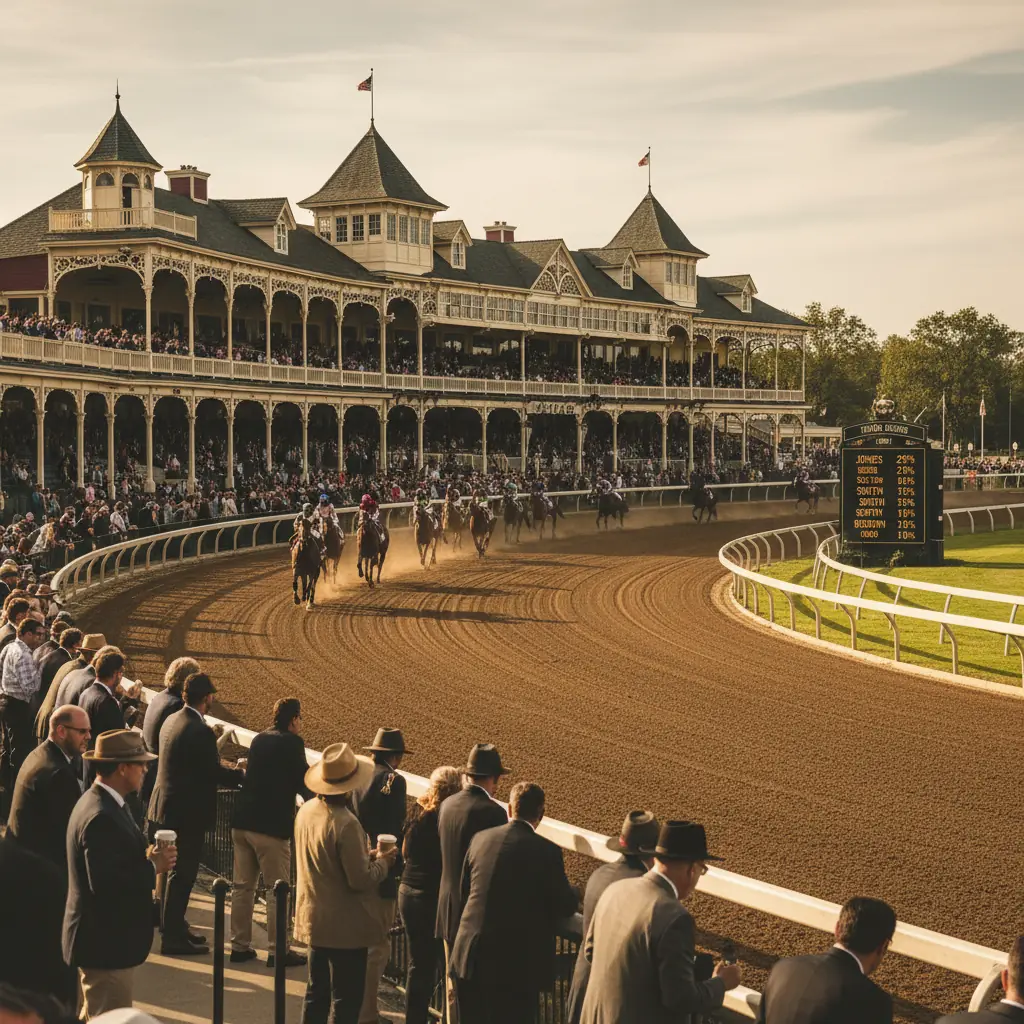
The Woodward Stakes, a prestigious race steeped in history, presents a formidable challenge and a thrilling opportunity for horse racing enthusiasts. Success in handicapping this race hinges on a blend of insightful analysis, strategic betting, and disciplined bankroll management. Let’s delve into some expert strategies to elevate your Woodward handicapping game.
Decoding Past Performances: Unveiling Hidden Clues
Past performances are the handicapper’s Rosetta Stone. Don’t just glance at the results; dissect them. Pay close attention to how a horse has performed at Saratoga, the Woodward’s traditional home. Some horses thrive on this track, while others falter. Look for patterns: Has the horse consistently improved its speed figures in recent races? Is it coming off a layoff? How did it perform over similar distances and track conditions?
A horse’s running style is also critical. Is it a front-runner, a stalker, or a closer? The Woodward’s pace scenario will heavily influence which running style is most advantageous. Consider the horse’s tactical speed – its ability to assume a favorable position early in the race.
Unearthing Value Bets: Finding Opportunity in the Odds
Identifying value is the cornerstone of profitable handicapping. A value bet exists when the odds on a horse are higher than its true probability of winning. This requires developing your own assessment of each horse’s chances, independent of the morning line odds.
One approach is to assign each horse a percentage chance of winning based on your analysis of its past performances, speed figures, and other relevant factors. Then, convert the odds into implied probabilities. If your assessment of a horse’s chances is significantly higher than the implied probability, you’ve likely found a value bet. Be prepared to go against the crowd and wager on horses that are being overlooked. Sometimes, a horse with a perceived weakness based on its last race can actually represent huge value if conditions are right for it to bounce back into form.
Bankroll Management: The Unsung Hero
Even the most astute handicapper will experience losing streaks. Effective bankroll management is paramount to weathering these storms and preserving your capital. Determine an appropriate unit size – typically 1-5% of your total bankroll – and stick to it religiously. Avoid the temptation to chase losses by increasing your bet size. Remember that handicapping is a marathon, not a sprint. Disciplined bankroll management will keep you in the game for the long haul, allowing you to capitalize on your handicapping skills and increasing your chances of long-term success.
Conclusion
The Woodward Stakes stands as a monument to horse racing’s rich heritage, particularly its enduring connection with the Saratoga Race Course. Its storied past continues to shape the present, offering a unique racing experience for fans and horsemen alike. From legendary champions to unforgettable upsets, the Woodward has consistently delivered moments that resonate throughout the sport.
As another chapter unfolds in the Woodward Stakes saga, the allure of Saratoga and the thrill of top-tier competition beckon. Whether you’re a seasoned handicapper or a casual observer, the Woodward Stakes is a spectacle worth witnessing. Share your Woodward Stakes memories and anticipation in the comments below and become part of the legacy!