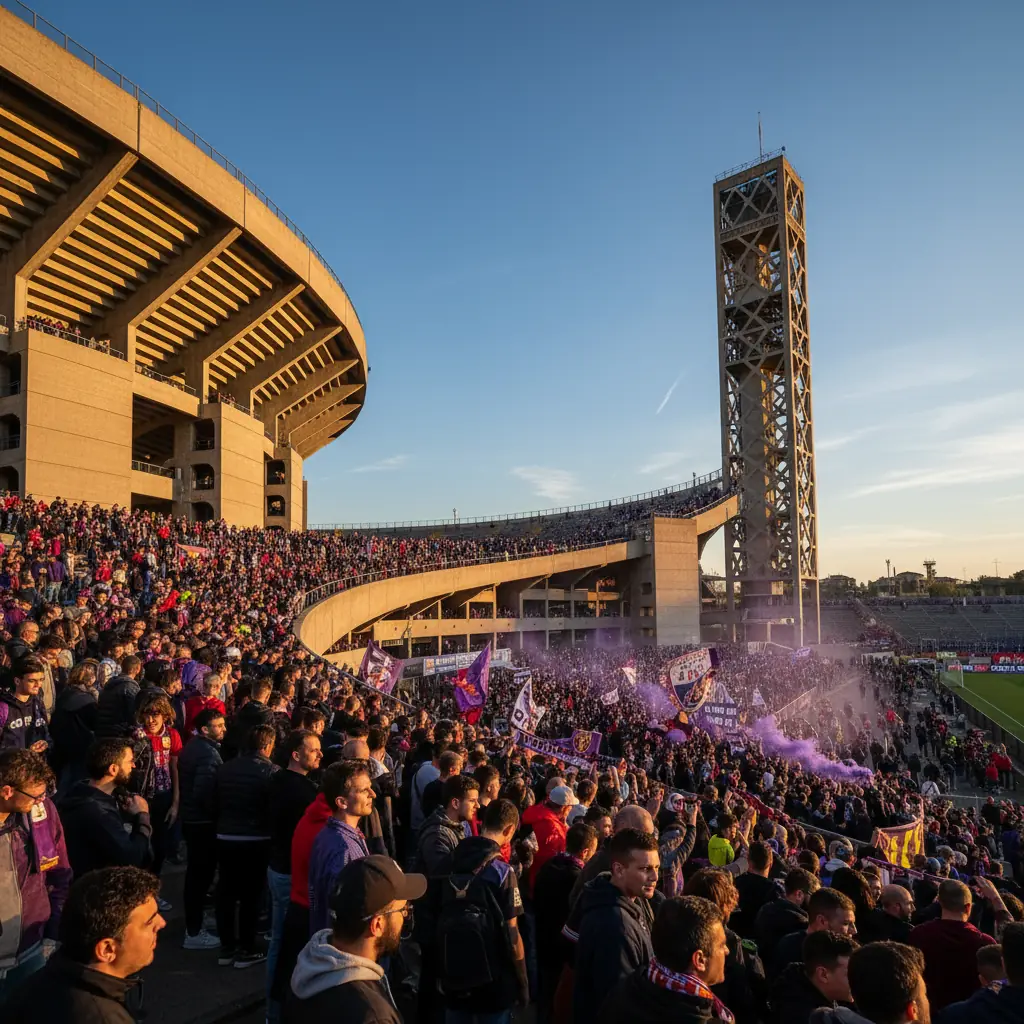
Stadio Artemio Franchi. Just uttering the name conjures images of roaring crowds, passionate chants, and the unmistakable purple of ACF Fiorentina battling it out on the hallowed turf. More than just a stadium, it’s a living, breathing monument to Florentine football history, a place where legends have been forged and memories etched into the collective consciousness of the city.
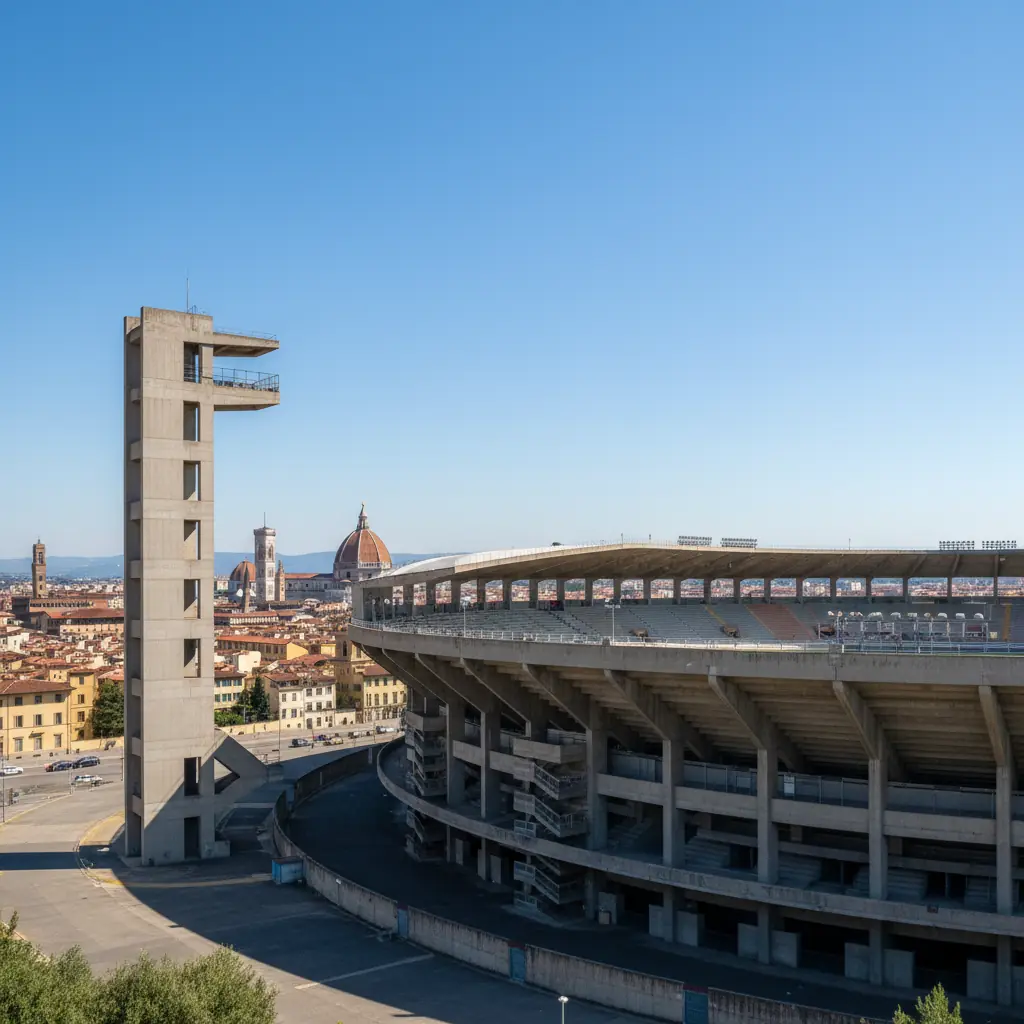
Nestled in the heart of Florence, the Franchi stands as a testament to a bygone era of stadium design. Its iconic tower, the Torre di Marathon, pierces the Florentine skyline, a proud symbol of the club and its enduring legacy. The stadium isn’t merely a venue; it’s an architectural statement, a bold expression of sporting passion rendered in concrete and steel.
Having followed Fiorentina’s journey for years, I’ve spent countless hours within those walls, witnessing both exhilarating victories and heartbreaking defeats. The Franchi’s atmosphere is unlike any other. Now, with ongoing discussions about its future, preserving the essence of this historical landmark while adapting to modern needs is paramount. It represents more than just old bricks: it represents the passion for the team.
A Historical Overview: From Giovanni Berta to Artemio Franchi
Early Years and Construction (1931-1945)
Originally christened Stadio Giovanni Berta, the stadium’s story began in 1931, a period deeply entwined with Italy’s Fascist era. Named after Giovanni Berta, a young fascist, its architecture reflected the monumental style favored at the time. The stadium quickly became a symbol of Florence. During its inauguration, it boasted a considerable capacity. It was a modern marvel for its time, even acquiring the endearing nickname of the “Spaghetti Bowl” due to its unique design.
Post-War Renaming and Evolution (1945-1991)
Following World War II, the stadium underwent a symbolic renaming, becoming the Stadio Comunale. This change reflected the shift in Italy’s political landscape. The stadium became a focal point for Florentine identity. Over the decades, the Comunale saw several renovations and expansions to accommodate growing crowds and evolving safety standards. The atmosphere within its walls was always electric. Generations of Fiorentina fans created an intense and passionate culture.
The Artemio Franchi Era (1991-Present)
In 1991, the stadium was once again renamed, this time in honor of Artemio Franchi, a significant figure in Italian football. Franchi’s contributions to the FIGC and the sport as a whole were considered worthy of commemoration. Since then, the Stadio Artemio Franchi has continued to host countless matches and significant events, embedding itself further into the fabric of Italian football history.
Architectural Significance: Pier Luigi Nervi’s Masterpiece
Stadio Artemio Franchi stands as a testament to the genius of Pier Luigi Nervi, an Italian engineer and architect renowned for his innovative use of reinforced concrete. Nervi’s architectural philosophy centered on structural honesty and the inherent beauty of engineering solutions. He believed that form should follow function, and his designs often exposed the underlying structural elements, celebrating their strength and elegance. The Artemio Franchi stadium perfectly embodies this philosophy, showcasing the raw power and graceful curves of reinforced concrete.
The stadium’s design pushed the boundaries of 20th-century architecture, demonstrating Nervi’s mastery of materials and construction techniques. He employed pre-casting and modular construction to create complex structures with remarkable efficiency. The aesthetic appeal of the stadium lies in its simplicity and the rhythmic repetition of its structural elements.
Key Design Elements
The Tower of Marathon is perhaps the stadium’s most iconic feature. Its spiral form, constructed from reinforced concrete, serves as a visual anchor and provides panoramic views of the city. The cantilevered roof, another signature element of Nervi’s design, offers shelter to the spectators while maintaining a sense of openness. The flowing lines of the stands and the meticulously crafted concrete details contribute to the stadium’s overall sense of harmony and grandeur.
Memorable Moments: Defining Games and Events
Historical importance of important and defining Games and Events
Stadio Artemio Franchi has been the stage for numerous unforgettable moments, etching itself into the annals of both Fiorentina and Italian football history. Its significance extends beyond just club football, having hosted pivotal matches for the Italian national team and major international tournaments.
One notable event was the 1934 FIFA World Cup. Although not the final, the stadium hosted a crucial match, contributing to the tournament’s overall legacy and showcasing Italy’s passion for the sport. This event marked an early milestone in the stadium’s history, solidifying its place as a prominent venue for international football.
Furthermore, Stadio Artemio Franchi has been a venue for Euro Championship matches, further cementing its role in European football. These games not only provided thrilling sporting action but also attracted fans from across the continent, bringing diverse cultures and a shared love for the game to Florence.
Beyond international competitions, the stadium is most fondly remembered for the electrifying Fiorentina matches that have unfolded within its walls. Many defining moments in the club’s history happened here. These include epic clashes in Serie A, memorable Coppa Italia encounters, and European campaigns that captured the hearts of Fiorentina fans.
These historic matches have not only shaped the legacy of Stadio Artemio Franchi but have also contributed to the ongoing narrative of Italian football. The stadium stands as a testament to the passion, drama, and unforgettable moments that define the beautiful game.
The Modern Dilemma: Renovation vs. Relocation
The future of Stadio Artemio Franchi, home to Fiorentina, is a captivating drama unfolding in the heart of Florence. Should the iconic stadium undergo extensive renovations, breathing new life into its historic structure? Or is it time for a clean break, a bold relocation to a modern arena designed for today’s fan experience? This dilemma ignites passionate debate, pitting historical preservation against the pragmatic demands of modern sports.
Renovating the Artemio Franchi presents a formidable challenge. The stadium, a masterpiece of 20th-century architecture, carries immense cultural weight. Integrating contemporary amenities – improved seating, enhanced accessibility, state-of-the-art technology – within its existing framework requires delicate precision. Moreover, the costs associated with such an undertaking can be astronomical, potentially exceeding the expense of constructing a new stadium from scratch. Logistical nightmares abound, including potential disruptions to Fiorentina’s home games and the inevitable compromises in design to accommodate the existing structure. However, the reward is preserving a vital piece of Florence’s architectural heritage, honoring the past while paving the way for the future.
Relocation offers a blank canvas, an opportunity to build a stadium perfectly tailored to Fiorentina’s needs and the expectations of contemporary fans. A new arena could boast cutting-edge facilities, optimize revenue streams through modern hospitality suites, and provide a seamless, immersive experience for spectators. The construction process could be more streamlined than a complex renovation, potentially minimizing disruptions. But relocation severs ties with the stadium’s history, erasing a physical link to countless memories and relegating a landmark to the annals of the past. It’s a trade-off between sentiment and practicality, leaving Fiorentina’s fans and the city of Florence at a crossroads.
Both paths present significant hurdles. While the romantic appeal of preserving the Artemio Franchi tugs at the heartstrings, the practical benefits of a modern, purpose-built stadium are undeniable. Ultimately, the decision hinges on a delicate balance: weighing the value of history against the demands of progress, and determining which option best serves the long-term interests of Fiorentina and the city of Florence and making this choice isn’t easy.
The Fan Experience: Attending a Match at the Franchi
Immerse yourself in the electrifying atmosphere of Italian football by attending a Fiorentina match at the Stadio Artemio Franchi. Planning your trip to Florence to support ACF Fiorentina requires a bit of foresight, but the reward is an unforgettable matchday experience steeped in passion and local culture.
Getting to the Stadium: Navigating Florence is relatively straightforward. Public transportation is your best bet to reach the stadium. The tram system provides easy access from the city center to areas near the Franchi. Consider purchasing a multi-day travel pass for cost-effectiveness. Alternatively, local buses serve the stadium, but can be more crowded on match days. Taxis are available but can be more expensive and subject to traffic delays. Walking is a viable option if you are staying in the Campo di Marte area.
Securing Your Fiorentina Tickets: Fiorentina tickets can be purchased online through the official ACF Fiorentina website or authorized ticketing partners. Ticket sales often open a few weeks before the match. Different seating sections offer varying price points, with the Curva Fiesole being the heart of the Fiorentina support, known for its fervent atmosphere. Consider buying tickets in advance, especially for high-profile matches, to avoid disappointment. Be prepared to show identification when purchasing and entering the stadium.
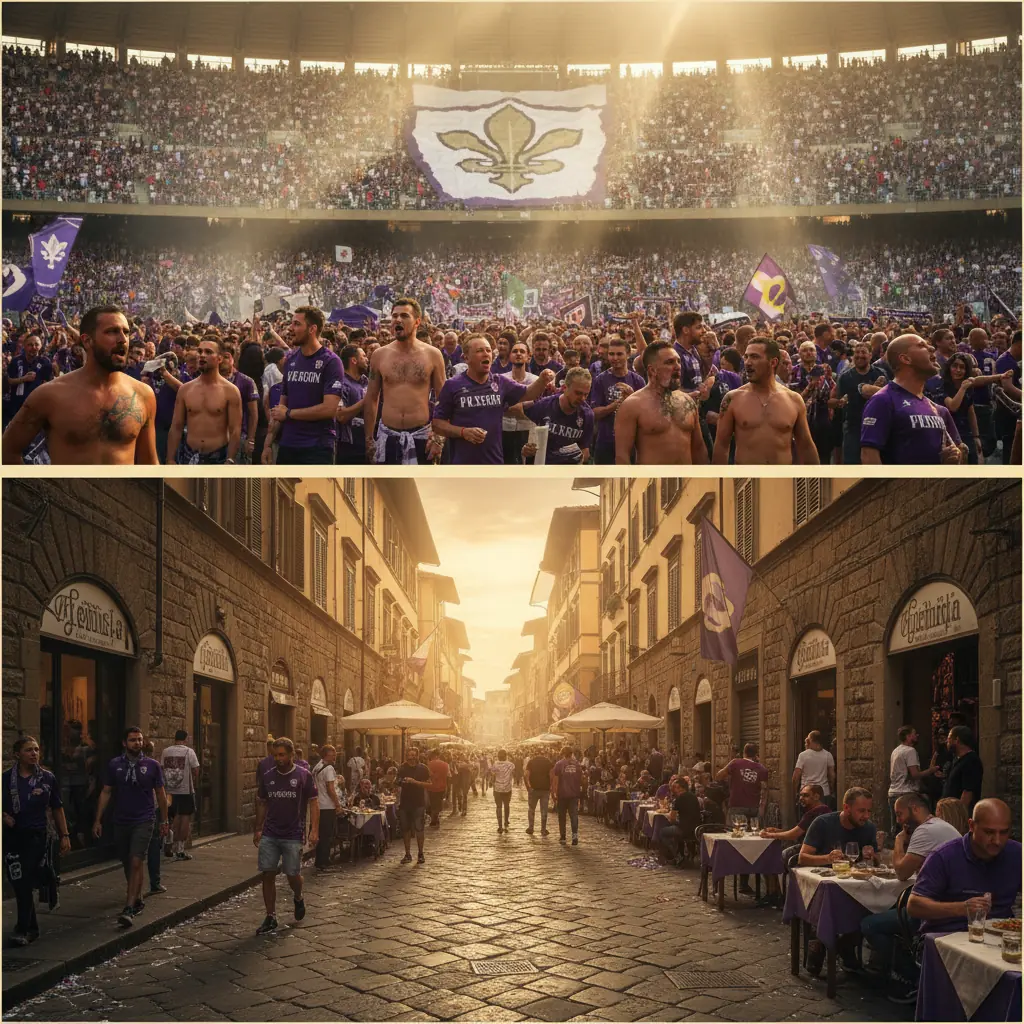
Matchday Atmosphere and Local Culture: The Stadio Artemio Franchi pulsates with energy on match days. The roar of the Curva Fiesole, the vibrant purple colors, and the passionate chants create an intense atmosphere. Before the game, soak in the local culture by exploring the nearby streets, sampling traditional Florentine cuisine at trattorias, and interacting with the friendly locals. After the match, celebrate (or commiserate) with fellow fans at local bars and pubs, sharing stories and experiences.
The Future of Stadio Artemio Franchi: Plans and Perspectives
The Stadio Artemio Franchi, a landmark in Florence and home to Fiorentina, is poised for a significant transformation. The planned renovation aims to modernize the stadium, enhance the fan experience, and preserve the architectural legacy of this iconic structure, designed by Pier Luigi Nervi.
The redevelopment project envisions a fusion of modern amenities with the stadium’s historical character. Architectural renderings reveal plans for updated seating arrangements to improve sightlines, a state-of-the-art roof to provide weather protection, and upgraded hospitality areas. Envisioned designs showcase a commitment to preserving the stadium’s distinctive features, such as the Marathon Tower, while introducing contemporary elements.
While the exact timeline is subject to ongoing adjustments, the project is anticipated to span several years. This ambitious undertaking necessitates careful planning and execution to minimize disruption to Fiorentina’s match schedule and ensure the safety of workers and fans. During the renovation period, Fiorentina may need to temporarily relocate its home matches to another venue. Discussions regarding potential temporary locations are underway to ensure the team can continue playing in a suitable environment.
The completed renovation promises a vastly improved fan experience. Enhanced concessions, improved restroom facilities, and better accessibility for fans with disabilities are all part of the plan. The modernized stadium is expected to create a more vibrant and welcoming atmosphere for all attendees. The improvements are designed not only to meet the needs of today’s fans but also to attract future generations to the beautiful game in Florence.
The Stadio Artemio Franchi’s future is one of progress and preservation. This renovation project represents a significant investment in the future of Fiorentina and the city of Florence, ensuring that the stadium remains a vital part of the community for years to come.
Conclusion
The Stadio Artemio Franchi’s legacy is etched in the history of Italian football and the hearts of Fiorentina fans. More than just a structure of concrete and steel, it embodies the spirit of Florence, standing tall as a landmark recognized far beyond the city limits. Its walls have witnessed both triumphs and tribulations, forging memories that will be passed down through generations of Viola supporters.
As Fiorentina looks towards the future, the Stadio Artemio Franchi will undoubtedly continue to be a central part of their journey. With ongoing discussions about renovations and improvements, the stadium is poised to enter a new era, blending its rich past with modern amenities to create an even more vibrant and welcoming atmosphere. Its ongoing renovations guarantee that it will continue to be relevant for decades to come.
The energy of the stadium is absolutely palpable. Generations have passed through the turnstiles, each leaving a piece of themselves within those stands. It is more than just a place to watch a game; it is a cauldron of dreams, hopes, and shared experiences. And that, ultimately, is what makes the Stadio Artemio Franchi so special – an undeniable appeal that transcends time.